Mine as Well, Might as Well, or Mind as Well? The Correct Phrase Explained
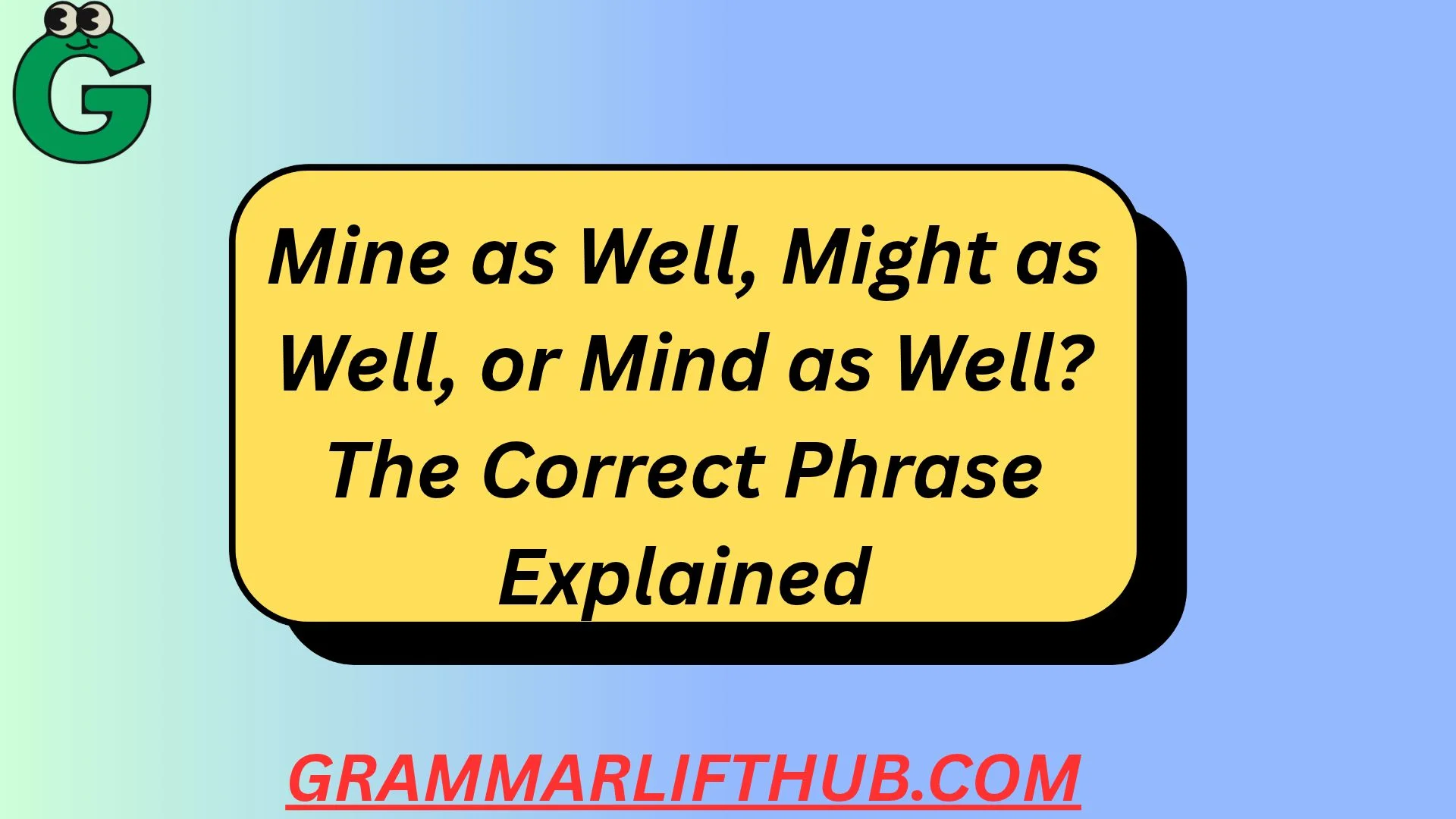
Have you ever wondered whether the correct phrase is mine as well, might as well, or mind as well? These ...
Read more
Their or There: What’s the Difference and How to Use Them Correctly?
Their or there is a common English grammar confusion that can make even a simple sentence look incorrect. Although these ...
Read more
30 Other Ways to Say “Thank You For Your Quick Response” (With Examples)
When someone replies to your email or message sooner than expected, saying “Thank You For Your Quick Response” is a ...
Read more
Swifty or Swiftie: Which Spelling Is Correct?
If you have ever searched for Swifty or Swiftie, you may have wondered which spelling is correct when talking about ...
Read more
Audiodisplayed Meaning: What Does It Mean in Messages and Apps?
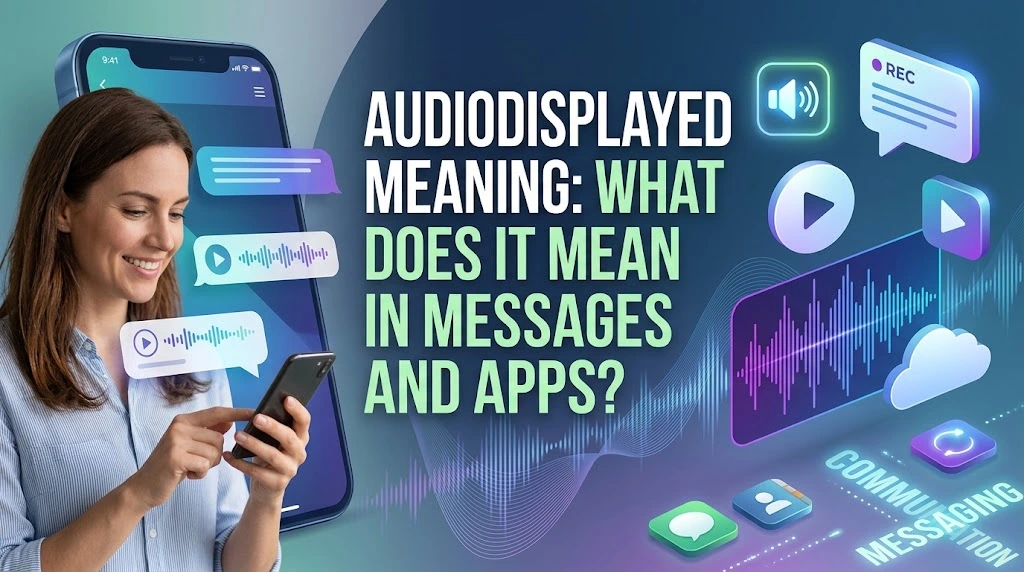
If you’ve come across audiodisplayed in a messaging app, website, analytics screen, or technical log, the term can look confusing ...
Read more
IBVS Meaning: What Does IBVS Mean in Text?
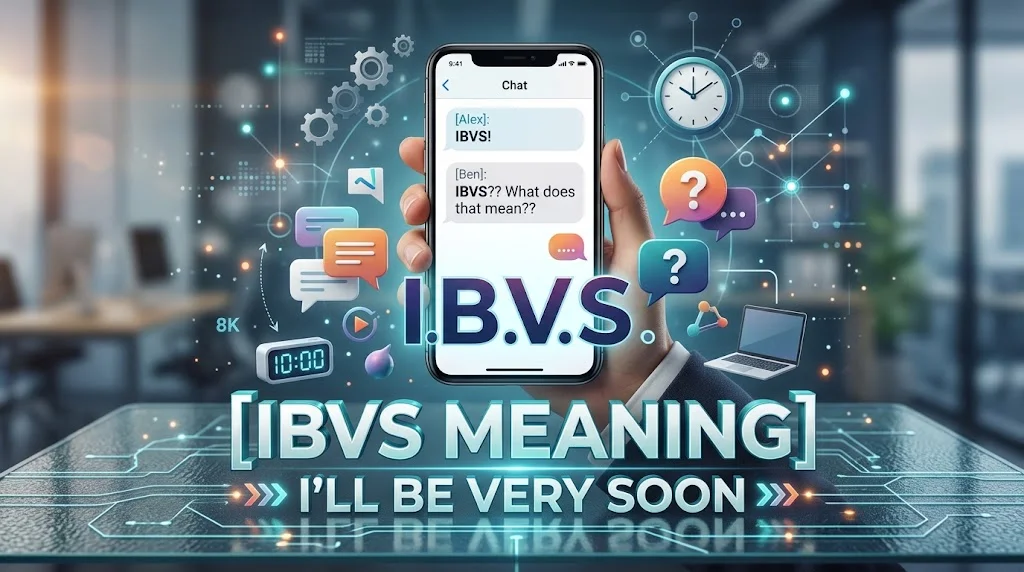
If you have seen IBVS in a text, social media post, comment, or online conversation, you may wonder what it ...
Read more
Once-Removed Cousin vs. Second Cousin: What’s the Difference?
Understanding the difference between a once-removed cousin and a second cousin can be confusing because both terms describe family relationships ...
Read more
LMBO Meaning: What It Means in Text and Chat
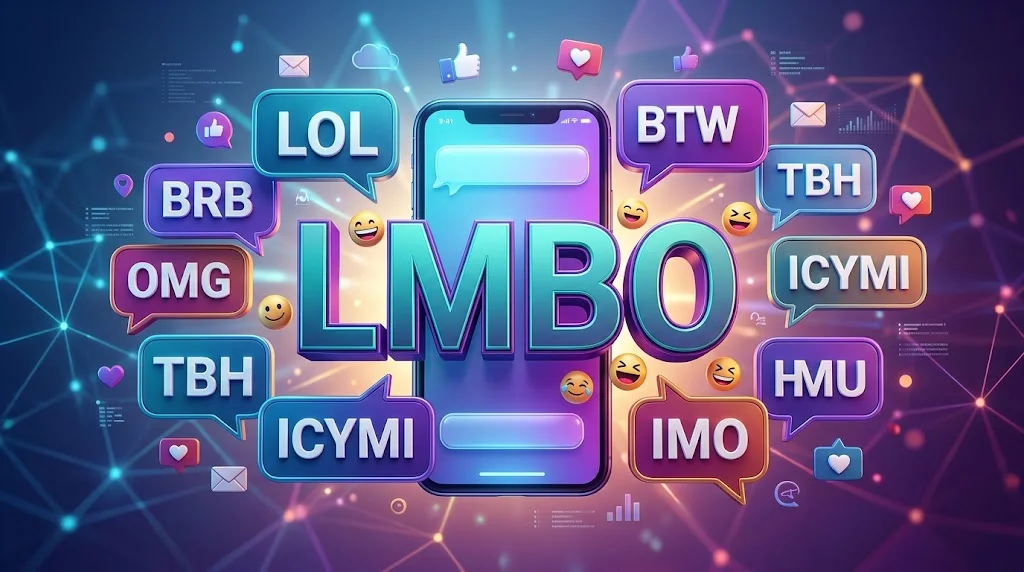
If you have seen LMBO in a text, comment, or social media post, you may wonder what this text abbreviation ...
Read more
ETA Meaning: What Does ETA Mean in Text?
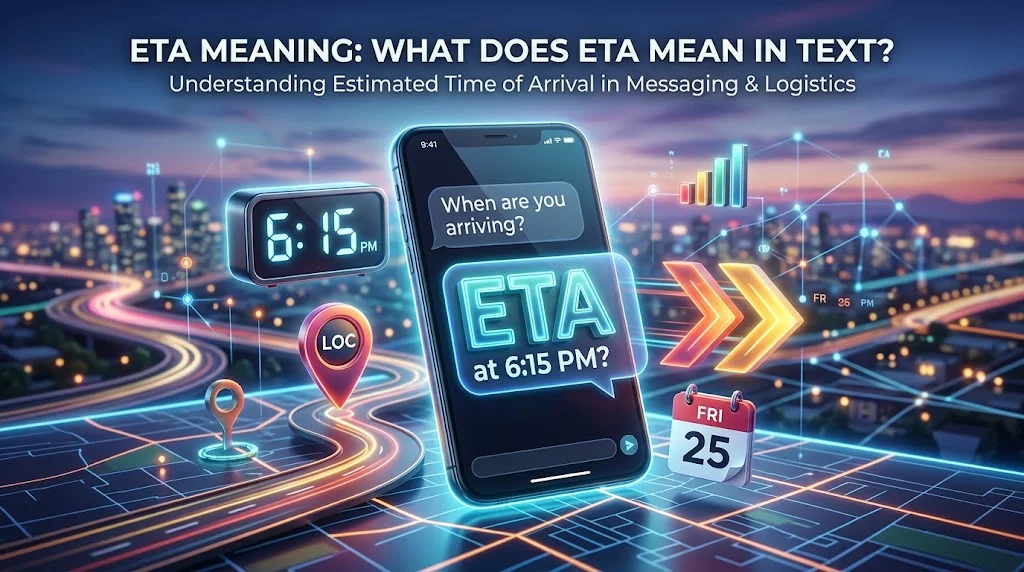
Have you ever received a text saying, “What’s your ETA?” and wondered what the person meant? ETA meaning is Estimated ...
Read more
How-To vs How-Tos: Which One Is Correct?
Have you ever wondered whether the correct plural form is how-to or how-tos? This small spelling and grammar question can ...
Read more