Chili or Chile can be confusing because both spellings are correct, but they do not always refer to the same thing. The difference becomes especially important when discussing chili pepper, chile pepper, chili con carne, or the country of Chile. In American English, chili commonly refers to a spicy pepper or the popular meat-and-bean dish, while chile is widely used for the pepper itself, especially in Southwestern and Mexican contexts.
Meanwhile, Chile with a capital letter is the South American country. Understanding these distinctions can help you choose the right spelling in American English, British English, Mexican Spanish, and everyday food terminology. The words chili pepper, chile pepper, hot pepper, red chili, green chili, dried chili, and fresh chile can describe related foods, but regional usage varies.
This guide explains the meaning of chili, meaning of chile, chili vs chile, chile vs chili, spelling difference, pronunciation, plural forms, and regional usage. Whether you’re writing about spicy food, cooking ingredients, Mexican cuisine, or South American geography, knowing when to use each spelling makes your writing clearer and more accurate.
Chili or Chile: Quick Answer
Both chili and Chile are correct spellings, but they don’t normally have the same meaning.
- Chili usually means a hot pepper in American English.
- Chili can also mean a spicy stew or dish, especially in American English.
- Chile refers to the country in South America.
- chile can refer to a pepper in some regional American usage.
- chilli is a common British English spelling for the pepper.
Here’s the simplest way to remember the difference:
| Word | Meaning | Example |
| chili | Hot pepper | I added a red chili to the sauce. |
| chili | Spicy dish | We made chili for dinner. |
| Chile | South American country | She traveled to Chile last year. |
| chile | Pepper in some regional usage | The recipe uses roasted green chile. |
| chilli | British spelling for pepper | Add one chopped chilli to the curry. |
The capitalization matters, too. Chile is capitalized when it means the country because country names are proper nouns.
What Does “Chili” Mean?
The word chili has more than one common meaning in American English. Most often, it refers either to a spicy pepper or to a dish made with ingredients such as meat, beans, tomatoes, and spices.
The surrounding words usually tell you which meaning the writer intends.
Chili as a Pepper
A chili is a pepper from the Capsicum genus. Chili peppers range from mild to extremely hot, depending on the variety.
You might see chili peppers in fresh, dried, crushed, or powdered forms. They’re widely used to add heat and flavor to foods around the world.
For example:
The recipe calls for two chopped chili peppers.
Here, chili clearly refers to the pepper.
You might also encounter phrases such as:
- chili pepper
- chili powder
- chili flakes
- chili sauce
- chili oil
- chili paste
- chili seeds
In American English, chili pepper is particularly common when the writer wants to make the meaning unmistakable.
Chili as a Dish
Chili can also refer to a savory dish, particularly the American dish often called chili con carne.
The dish typically contains a mixture of ingredients such as:
- Meat
- Beans
- Tomatoes
- Chili peppers
- Chili powder
- Onions
- Garlic
- Other seasonings
Recipes vary significantly. Some versions contain beans, while others don’t. Some use ground beef, whereas others use cubed beef, turkey, chicken, or no meat at all.
For example:
We made a big pot of chili for the football game.
Here, chili means the dish rather than a pepper.
This distinction becomes easy once you look at the surrounding words. You eat a bowl of chili, but you might chop a chili pepper.
Example Sentences With “Chili”
Consider these examples:
- I added chili powder to the soup.
- The sauce contains fresh chili peppers.
- She ordered a bowl of chili.
- He grows several varieties of chili in his garden.
- The recipe needs one dried chili.
- We served homemade chili with cornbread.
- These chili flakes add plenty of heat.
- The restaurant makes a smoky chili sauce.
Notice how context determines the meaning. The spelling stays the same, but the noun’s role changes.
What Does “Chile” Mean?
When you see Chile with a capital C, it normally refers to the country in South America.
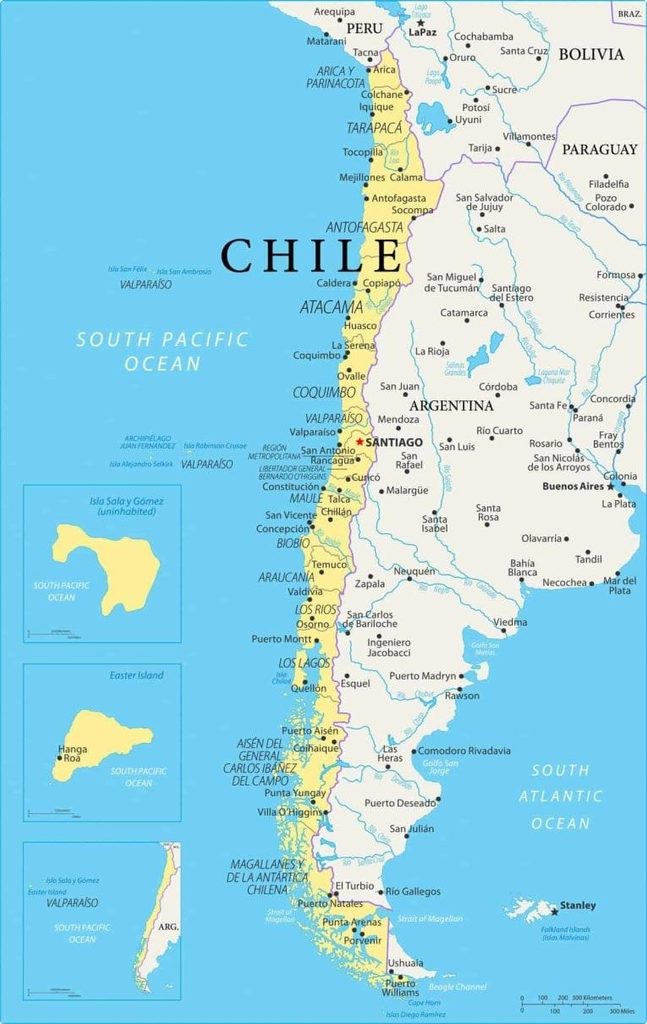
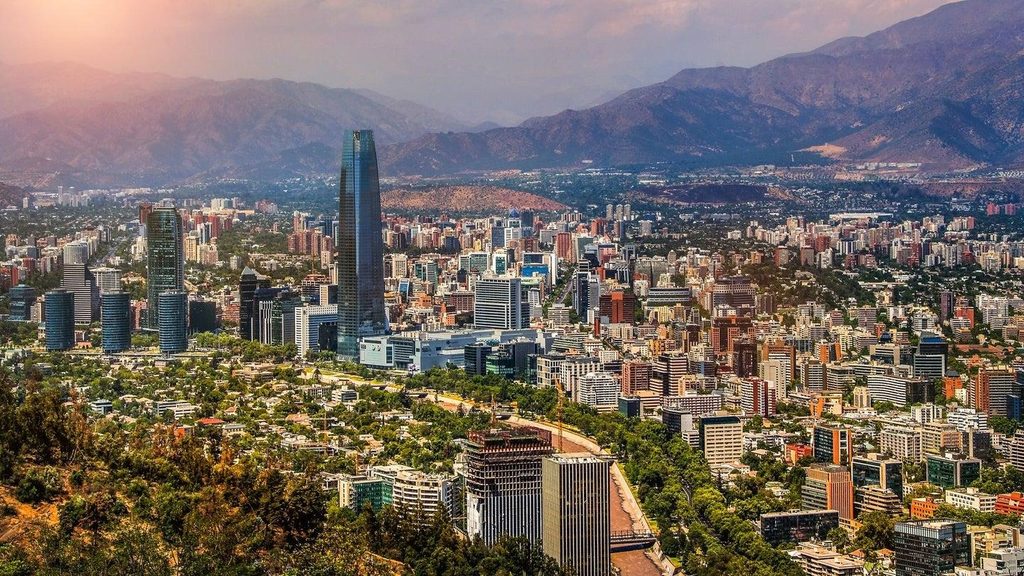
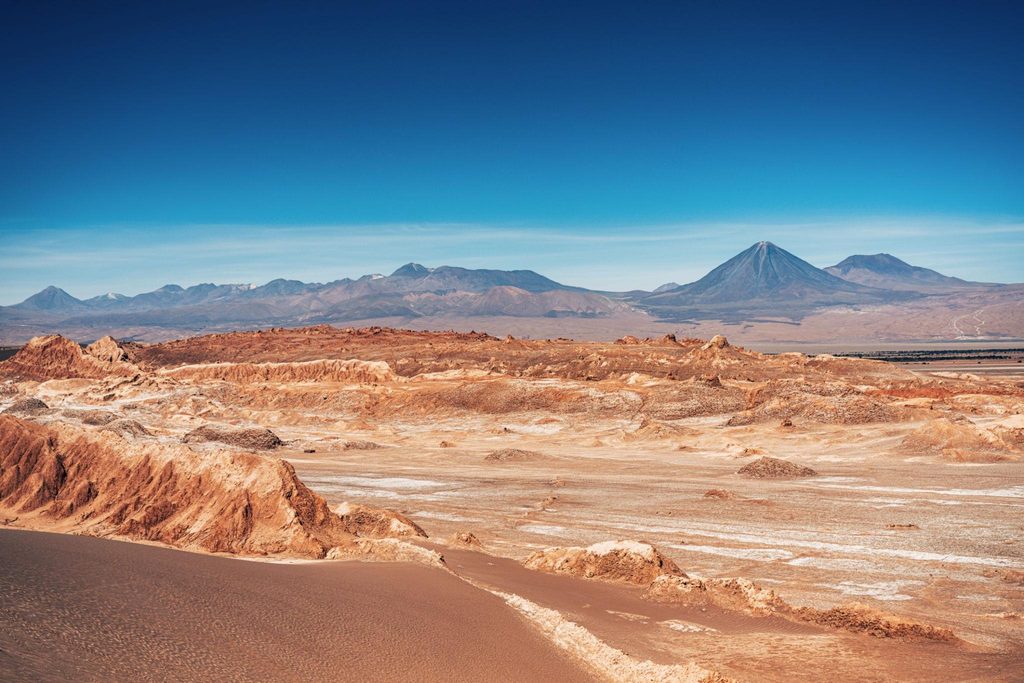
Chile as a Country
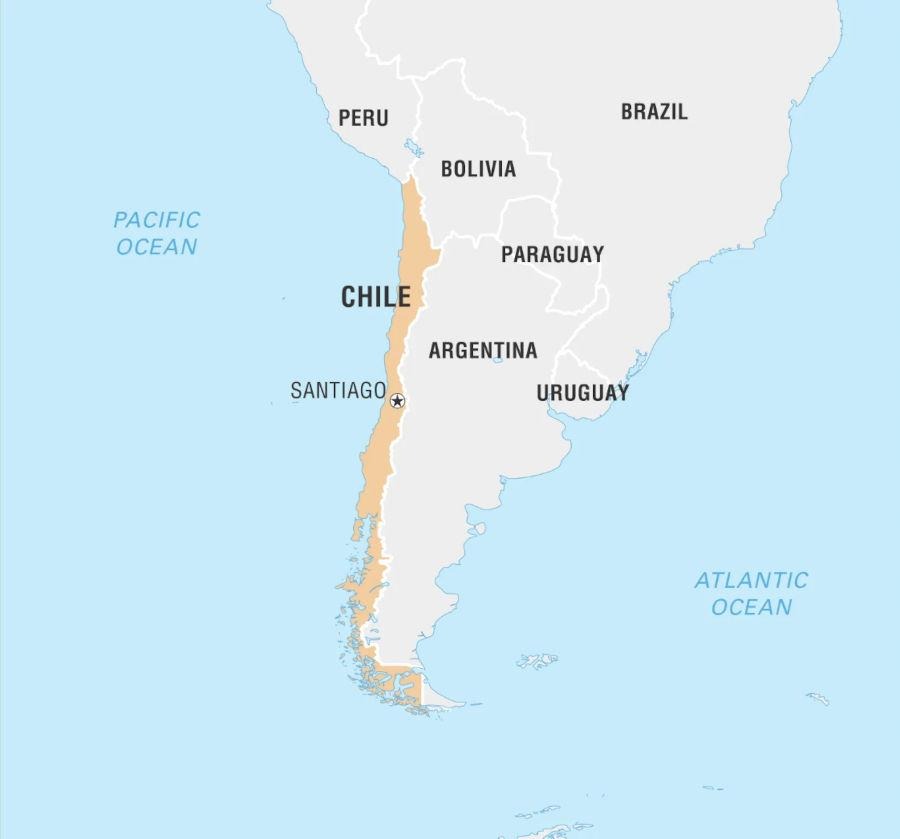
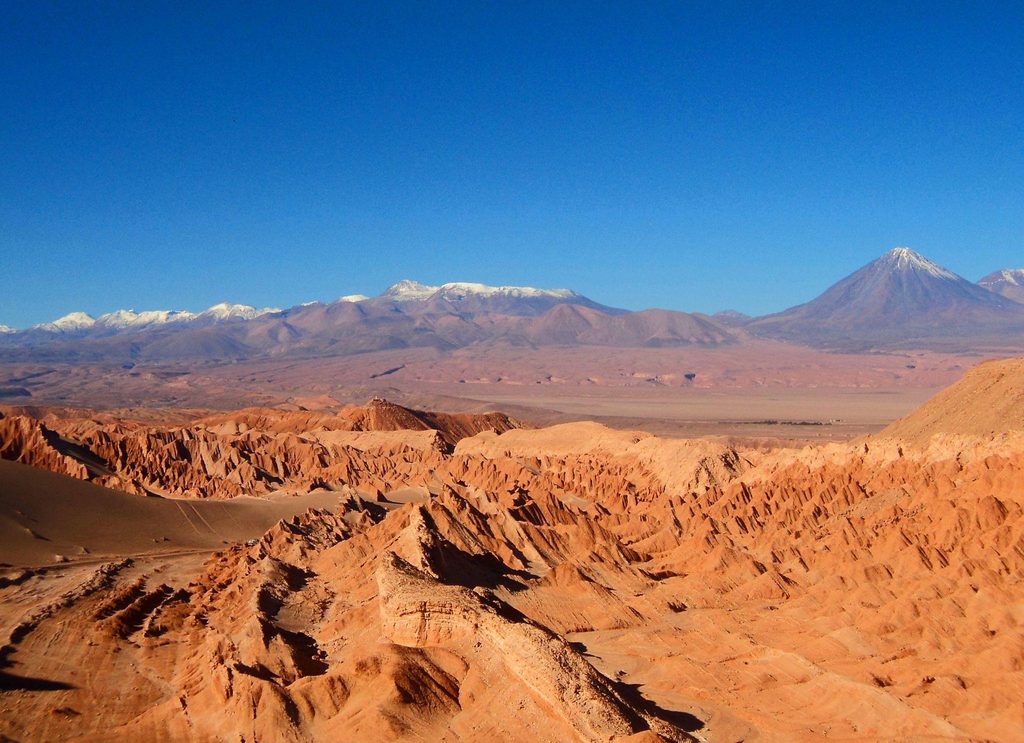
Chile is a long, narrow country along the western edge of South America. It stretches between the Andes Mountains and the Pacific Ocean.
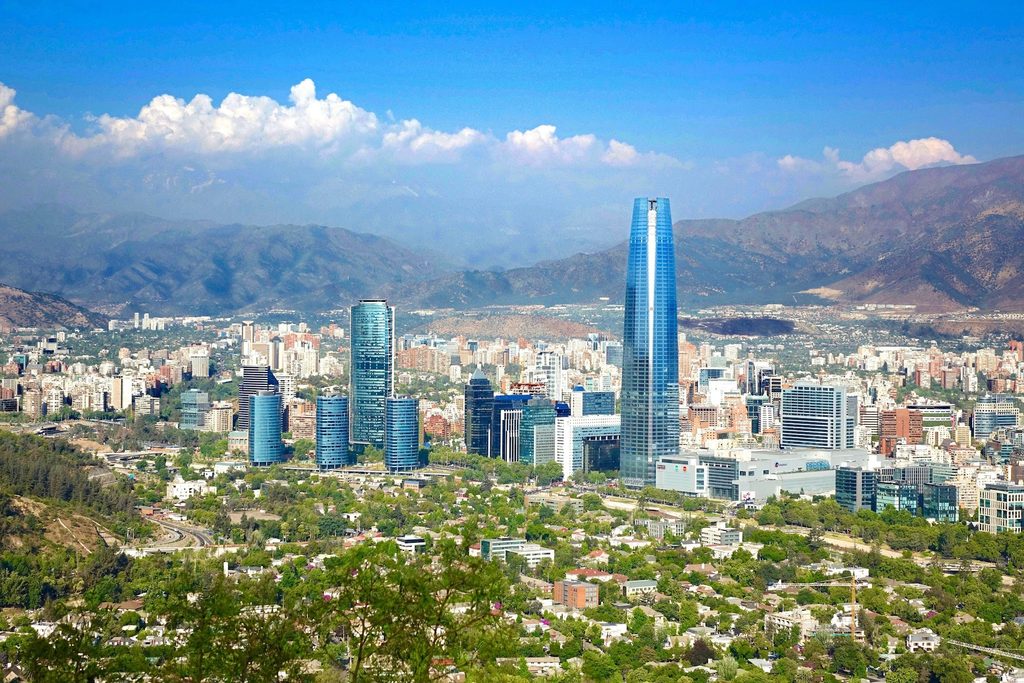
Its capital and largest city is Santiago.
The country’s name is always capitalized:
My friend moved to Chile.
We traveled through Chile during our vacation.
Chile has a long Pacific coastline.
Writing chili when you mean the country changes the word entirely.
For example:
❌ I want to visit chili next year.
✅ I want to visit Chile next year.
The second sentence correctly identifies the South American country.
Chile as a Pepper
Here’s where things get interesting.
In some American regional usage, particularly in the American Southwest, chile can refer to a chili pepper. This usage has strong connections with Spanish-language terminology and regional food traditions.
For example:
The restaurant serves roasted green chile.
In this context, chile doesn’t mean the country. It means a pepper.
That’s why simply saying “chile is always the country” would be too broad. The spelling has another established use.
However, if you’re writing general American English and referring to a hot pepper, chili is often the safer and more widely understood choice.
Chili, Chile, and Chilli: What’s the Difference?
English has several spellings for the pepper. That’s where many readers get tripped up.
| Spelling | Typical meaning or use | Variety or context |
| chili | Pepper or American spicy dish | Common American English |
| chile | Country; also a pepper in regional usage | Country name; regional American usage |
| chilli | Pepper | Common British English |
The most important distinction is between Chile and chili.
If you’re talking about geography, use Chile.
If you’re talking about a spicy pepper or the American dish, chili usually fits American English.
If you’re writing in British English, chilli is commonly used for the pepper.
Is “Chilli” Correct?
Yes.
Chilli is a standard spelling in British English and is also common in several other varieties of English.
For example:
Add one chopped chilli to the curry.
An American writer would more commonly write:
Add one chopped chili to the curry.
Neither spelling is inherently wrong. The choice depends largely on the variety of English you’re using.
Chili vs. Chile: Side-by-Side Comparison
A quick comparison makes the difference even clearer.
| Feature | Chili | Chile |
| Common meaning | Pepper or spicy dish | South American country |
| Capitalized? | Usually lowercase | Capitalized for the country |
| American English | Very common | Country name; regional pepper usage |
| British English | Less common for pepper | Country name |
| Refers to food? | Yes | Sometimes, in regional pepper usage |
| Refers to a country? | No | Yes |
| Example | I made chili for dinner. | I visited Chile. |
One small letter can change the meaning dramatically.
Compare:
I cooked chili for dinner.
with:
I traveled to Chile.
The first sentence belongs in a kitchen. The second belongs on a map.
Chili vs. Chile Pronunciation
The pronunciation can also create confusion because the words look so similar.
In common American English, chili is typically pronounced something like CHIL-ee.
Chile, the country, is commonly pronounced similarly: CHIL-ee.
That similarity explains why spelling can cause trouble. When you hear the words rather than see them, context becomes especially important.
For example, if someone says:
“I’m going to Chile.”
You understand the meaning from the verb going and the context of travel.
If someone says:
“I’m adding chili.”
The verb adding points toward the food meaning.
The pronunciation doesn’t always give you enough information by itself. The sentence does.
Why Are Chili and Chile Spelled Differently?
The spelling difference has a linguistic history rather than being a random quirk.
The word for the pepper entered English through different linguistic pathways and developed multiple spellings. Chile reflects Spanish usage, while chili became an established English spelling.
The country name Chile has its own history and should not be treated as simply another spelling of the pepper in every context.
That distinction matters because similar-looking words don’t necessarily share the same modern meaning.
English contains many examples of this phenomenon. Two words can look alike, sound alike, or share historical roots while developing different meanings over time.
Chili Con Carne vs. Chile
The phrase chili con carne often causes another layer of confusion.
Chili con carne is Spanish for something like “chili with meat.” In American English, chili is commonly used as a shortened name for the dish.
For example:
We’re having chili for dinner.
The writer isn’t referring to the country.
Writing:
We’re having Chile for dinner.
would be incorrect if the intended meaning is the dish.
The spelling difference becomes obvious when you substitute the meanings:
- Chile = a country
- chili = a food or pepper
The words may look close, but they serve entirely different purposes in ordinary usage.
Common Chili and Chile Mistakes
A few mistakes appear repeatedly because the words are so visually similar.
Mistake: Using “chili” for the Country
❌ My family is moving to chili.
✅ My family is moving to Chile.
The country requires the spelling Chile and a capital C.
Mistake: Using “Chile” for the American Dish
❌ I made a pot of Chile.
✅ I made a pot of chili.
When referring to the American dish, chili is the standard choice.
Mistake: Assuming “Chile” Can Never Mean a Pepper
It’s tempting to memorize one simple rule:
Chile = country.
That rule works in many everyday situations, but it isn’t complete.
In regional American English, especially in the Southwest, chile can refer to a pepper.
So this sentence can be correct:
The stew contains roasted green chile.
The intended meaning is the pepper, not the country.
Mistake: Treating “Chili” and “Chilli” as Different Foods
Usually, the difference is regional spelling rather than a difference in the underlying food.
American English commonly uses chili.
British English commonly uses chilli.
The meaning remains essentially the same when both refer to the pepper.
Chili vs. Chile Examples in Real Sentences
Seeing the words in context is one of the fastest ways to understand them.
Examples With “Chili”
I bought fresh chili peppers at the market.
Chili means peppers.
Add a teaspoon of chili powder to the sauce.
Here, chili describes the type of powder.
We served homemade chili with cornbread.
Here, chili means the dish.
These red chili flakes are surprisingly hot.
Again, chili refers to the pepper.
Examples With “Chile”
My sister plans to study in Chile.
Chile is the country.
Santiago is the capital of Chile.
The capital letter confirms that the word is a proper noun.
They spent three weeks exploring Chile.
The travel context makes the meaning obvious.
Examples With Regional “Chile”
The recipe uses roasted green chile.
Here, chile refers to a pepper.
She bought fresh chile from a local farm.
Again, the word describes the pepper rather than the country.
These examples show why context matters more than memorizing a rigid spelling rule.
A Simple Chili vs. Chile Memory Trick
You don’t need a complicated grammar rule to remember the difference.
Think about what you can do with each word.
Chile = a place.
Chili = something you can eat or cook with.
For example:
I traveled to Chile.
I ate chili.
That simple contrast handles most everyday situations.
You can also remember the capitalization:
Capital C → country → Chile
Lowercase chili → food or pepper
This isn’t a complete rule because regional chile can mean a pepper, but it works well for general American English.
Which Spelling Should You Use in American English?
For most American English writing, the practical rule is straightforward.
Use Chile when you mean the South American country.
Use chili when you mean the pepper or the American dish.
Recognize chile as a legitimate regional term for peppers, especially in contexts connected with Southwestern American food and Spanish-influenced usage.
If you’re writing for a broad American audience, consistency matters. Unless a regional term is relevant to your subject, chili will usually communicate the pepper meaning clearly.
Quick Reference Guide
| What you mean | Recommended spelling |
| South American country | Chile |
| American spicy dish | chili |
| Pepper in general American usage | chili |
| Pepper in some Southwestern American usage | chile |
| Pepper in common British English | chilli |
Why Context Matters More Than Spelling Alone
Words rarely live in isolation. Their surrounding language helps readers understand exactly what you mean.
Consider this sentence:
She went to Chile.
The verb went suggests travel, so Chile clearly means the country.
Now consider:
She chopped the chile.
The verb chopped suggests food, so chile refers to a pepper in a regional usage.
The sentence itself acts like a signpost.
This is why good writing doesn’t rely solely on spelling rules. Context, capitalization, surrounding verbs, and related nouns all work together.
A Practical Editing Test for Chili or Chile
When you’re proofreading an article, email, recipe, or school assignment, ask one simple question:
What does this word refer to?
If it refers to the South American nation, write:
Chile
If it refers to a spicy pepper in standard American usage, write:
chili
If you’re using a regional term for a pepper, chile may be appropriate.
If you’re writing in British English, use:
chilli
This quick test prevents most errors.
Chili or Chile: Which One Is Correct?
There isn’t one universal winner because the words have different meanings.
Chile is correct when you’re referring to the South American country.
Chili is correct in American English when you’re referring to a hot pepper or the familiar American dish.
Chile can also be correct for a pepper in specific regional American contexts.
Meanwhile, chilli is a common British English spelling for the pepper.
The key is to match the spelling to both meaning and regional English.
Conclusion
The choice between chili and chile depends largely on meaning and regional convention. Use chili for the pepper or dish when following common American English usage, while chile is especially common for peppers in Southwestern U.S. and Mexican culinary contexts. Use Chile with a capital C when referring to the South American country. Although the terms can overlap in everyday writing, recognizing the Chili vs Chile difference helps you communicate more precisely. When discussing chili peppers, chile peppers, chili powder, fresh chiles, or Chilean food, always consider the context. In short, neither spelling is universally wrong. The key is understanding regional spelling, context, and meaning before choosing the word.
FAQs
Is chili or chile correct?
Both chili and chile are correct spellings, but their usage depends on region and context. Chili is common in American English, while chile is particularly common for peppers in Southwestern U.S. and Mexican contexts.
What is the difference between chili and chile?
Chili can refer to a spicy pepper or a meat-based dish, while chile commonly refers specifically to a pepper. Chile with a capital letter refers to the country in South America.
Is chili pepper or chile pepper correct?
Both chili pepper and chile pepper are used. Chili pepper is common in general American English, while chile pepper is particularly associated with Southwestern and Mexican culinary terminology.
Is Chile a country?
Yes. Chile is a country in South America. Because it is a proper noun, it should always be written with a capital C.
How do you pronounce chili and chile?
In most English varieties, chili and chile are pronounced essentially the same way: CHIL-ee. The spelling differs more than the pronunciation.
Is chili the same as a pepper?
Not always. Chili can refer to a type of hot pepper, but it can also refer to chili, the cooked dish. Context determines the intended meaning.
What is chili con carne?
Chili con carne is a spicy dish traditionally associated with American and Tex-Mex cuisine. The name generally refers to a preparation containing meat and chili-seasoned ingredients.
Should I use chili or chile in an article?
Choose the spelling that matches your audience and subject. Chili is a safe choice for general American English, while chile can be more appropriate when discussing specific peppers or Southwestern and Mexican culinary traditions.
Is Chilean related to chile?
Chilean refers to something from or relating to the country Chile. It is not simply another spelling of the word chile for a pepper.
What is the plural of chile?
The plural can be chiles or chilies, depending on the spelling and regional convention. Chiles is especially common when referring to varieties of peppers.